Palm Beach County is home to a variety of native ecosystems. Small variations in
elevation, water salinity, soil type and fire frequency dictate which plant
community will prevail. Within the parks system you can experience Coastal Dunes
and Strands, Cypress Swamps, Florida Scrub, Hardwood Hammocks, Lakes, Mangrove
Swamps, Maritime Hammocks, Marshes, Pine Flatwoods and Ponds. It is our intent
that native ecosystems within the park system are managed and operated in an
environmentally sensitive manner. This will ensure their survival and the
habitat that they provide through our parks system.
Learn more about these native ecosystems:
Coastal Dune and Strand
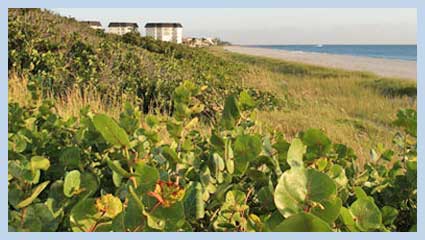
This ecosystem occurs mainly on the ocean side of coastal dunes. Soils are sandy, well drained, saline and nutrient poor. Severe climatic conditions of heat, drought, exposure to wind and salt spray limit this environment to pioneer plant species.
Florida Scrub
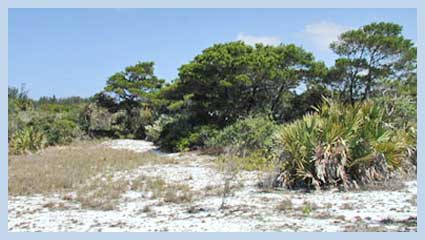
The scrub ecosystem is typically found near the coast on ridges and old dunes. Sandy, well drained, nutrient poor soils and other severe xeric conditions limit plant and animal species to only the most specialized or adaptive. Many rare and endangered species can be found in this ecosystem, however, the overall species diversity is small and thus indicates a system that is very fragile. Typical plants include; Sand Pine, Oaks, Saw Palmetto and Rosemary. Animals that live in the scrub are Gopher tortoises, scrub jays, snakes, lizards, insects and spiders. Fire plays an important role in maintaining scrub ecosystems.
Lakes and Ponds
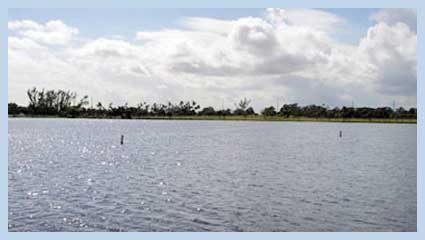
These aquatic ecosystems are natural or manmade freshwater bodies that are permanently inundated and dominated by floating or submerged aquatic vegetation. The soils are level to nearly level, very poorly drained sandy or organic soils underlain by sand or clay. These communities are dominated by fish and Benthic Macroinvertibrates and also provide breeding habitat and cover for birds and other vertebrates.
Mangrove and Estuarine Systems
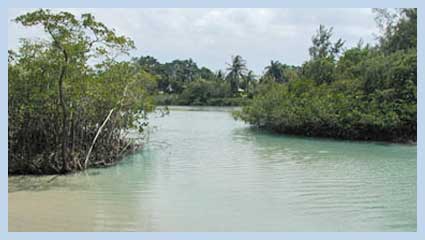
This ecosystem occurs in tidally influenced areas where strong ocean wave action is absent and where salt and fresh water mix. Soils are sandy, nutrient rich, saline, and usually oxygen deficient. Although plant species diversity is mainly limited to mangrove and sea-grasses, this ecosystem provides one of the most productive nursery habitats for fish, shellfish, birds and other estuarine wildlife. Three (3) species of mangroves are found in Florida: the Red Mangrove, Black Mangrove and White Mangrove. Typically, Red Mangroves grow along the water's edge, Black Mangroves grow on slightly higher elevations than the Red Mangrove and White Mangroves grow upland from the red and black. The buttonwood is often associated with the mangrove community. Mangroves also provide shoreline protection from wind, waves and erosion.
Maritime Hammock
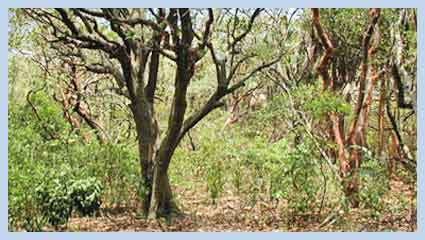
Maritime hammock occurs on the leeward side of the coastal dune, along the warm southeastern tip of Florida. A non-coniferous forest where the canopy is composed of a large variety of tree species of tropical origin. Typical plants include Sea Grape, Paradise Tree, Lancewood, Gumbo-limbo, Strangler Fig, Poisonwood, Saw Palmetto, Beautyberry, Wild Coffee, Myrsine and Marlberry. Migrating birds rely on these forests for food and shelter following trans-oceanic or trans-gulf migrations.
Marsh and Freshwater Systems
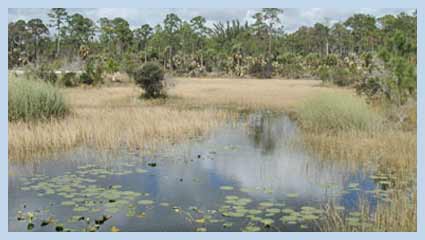
The marsh is a freshwater wetlands system found in low-lying areas which essentially serve as a drainage basin for surrounding uplands. Soils are deep, organic and nutrient rich with poor drainage qualities. Marshes have a great diversity of plant and animal species. Animals found in these fresh water systems can include fish, invertebrates, frogs, snakes and alligators. Many waterbirds and wading birds nest and forage in marshes as well.
Mixed Hardwood Swamp
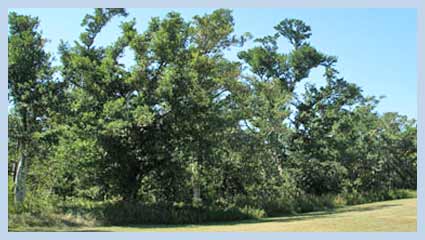
This upland ecosystem usually occurs on land that is higher than the surrounding wetlands but lower than pinelands. Soils are generally well developed, but poorly drained. Historically, hardwood swamps are seasonally flooded. Hardwood swamps create conditions that are somewhat resistant to fires. There can be great diversity in both plant and animal species. Temperate hardwoods and cabbage palms are the dominant canopy species other plants may include Red Maple, Pond Apple, Coco Plum and Ferns. Animals can include raccoons, opossums, birds, snakes, lizards, tree frogs, bobcat and deer.
Pine Flatwoods
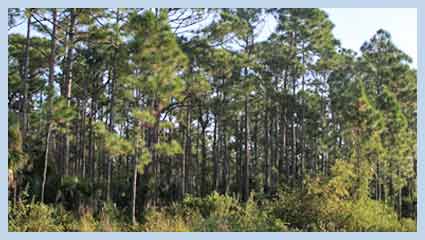
This is the most extensive upland ecosystem in eastern Palm Beach County; it is found on "flat lands". Soils are sandy and well drained, with a moderate nutrient level. Historically, Pine Flatwoods is a seasonally flooded community. This is a moderately cold tolerant plant community. Canopy is dominated by slash pine, understory plants typically include; Saw Palmetto, Stagger Bush, Wire Grass and Ferns. Animals commonly found in pine flatwoods include deer, squirrels, bobcats, skunks, opossums, raccoons, birds, snakes and tortoises.
Swamp
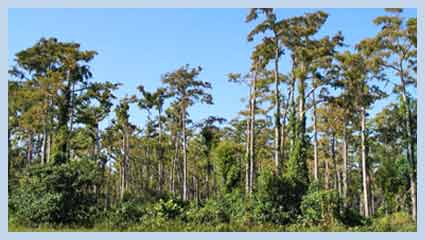
This fresh water wetlands ecosystem is found in low-lying areas. Soils are generally poorly drained with high organic composition and are predominantly flooded. The full tree canopy tends to moderate temperature extremes. The swamp has a high diversity of both plant and animal species. Plants found in swamps may include cypress trees, red maple trees, epiphytes ("air plants") growing on trees, vines and ferns.